Gaya Pind Daan: Complete Guide for Shradh Ritual
In this guide
- 1. What is Gaya Pind Daan
- 2. Significance of Gaya for Shradh
- 3. When is Gaya Pind Daan Performed
- 4. Preparations for Gaya Pind Daan
- 5. Samagri Required for Gaya Pind Daan
- 6. Gaya Pind Daan Procedure: Step by Step
- 7. Mantras and Their Significance
- 8. Important Considerations and Respect
- 9. Why an Experienced Pandit Matters
What is Gaya Pind Daan
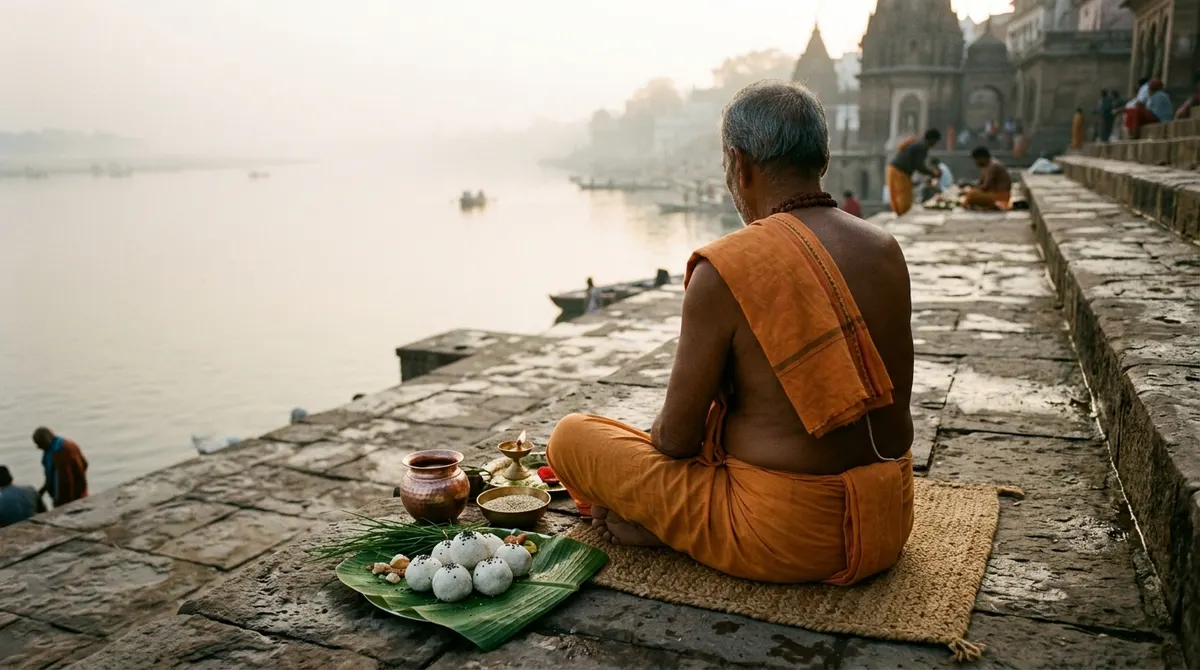
Gaya Pind Daan is one of the most significant Shradh rituals performed to offer respect and prayers to departed ancestors, known as Pitras. The word "Pind Daan" refers to the offering of pinds — ritual rice balls mixed with sesame, water, and ghee — to ancestors, while "Gaya" refers to the holy city of Gaya Ji in Bihar, India. According to Hindu tradition, performing Pind Daan at Gaya Ji is considered especially powerful for the peace and liberation of ancestral souls.
This ritual is deeply rooted in the Puranic tradition and is mentioned in texts like the Garuda Purana and Vishnu Purana. As per mainstream Hindu tradition commonly followed in North India, it is believed that offering pinds at Gaya grants satisfaction to ancestors and helps them attain peace. Regional variation exists in specific procedures, but the underlying purpose — expressing gratitude and performing duty towards ancestors — remains universal. The descriptions here reflect traditional belief, not guaranteed outcomes.
Want this ritual done the authentic way?
Book Pind Daan at Gaya JiSignificance of Gaya for Shradh
Gaya Ji holds a unique place in Hindu Shradh rituals. It is traditionally believed that Lord Vishnu himself blessed this land for ancestral offerings, and that the presence of the Falgu River and the Vishnupad Temple makes it an especially auspicious location for Pind Daan. Many families undertake the pilgrimage to Gaya specifically for this purpose, considering it a sacred duty, or Pitru Dharma.
The ritual is performed with the intention of providing peace to departed souls, seeking their blessings for the family, and fulfilling ancestral responsibilities. In North Indian tradition, performing Shradh at Gaya is often viewed as completing a key aspect of Pitru Karmas. While the ceremony can be adapted in different locations, Gaya Ji remains the most renowned center for this sacred offering due to its historical and scriptural significance.
When is Gaya Pind Daan Performed
Gaya Pind Daan is typically performed during the Pitru Paksha period, which occurs annually in the Hindu lunar month of Ashwin (September-October). This is the time when Hindus traditionally honor their ancestors with Shradh rituals. Some families also perform it on specific tithi anniversaries of their departed loved ones, or at other times as advised by their family pandit.
The exact timing depends on the Hindu calendar and family tradition. It is advisable to consult an experienced pandit well in advance to determine the most appropriate date and time. During Pitru Paksha, Gaya Ji sees a large gathering of devotees, so planning ahead for accommodation and pandit arrangements is practical. No specific dates are mentioned here, as they vary each year.
Preparations for Gaya Pind Daan
Proper preparation is essential for a smooth and meaningful Shradh ceremony. Physical cleanliness, mental focus, and gathering the right items are all part of the traditional approach. Family members participating should take a bath, wear clean traditional clothes, and maintain a solemn, respectful atmosphere throughout the ritual.
For those traveling to Gaya, it is important to plan logistics in advance — travel, stay, meals, and most importantly, a verified pandit who can guide the ceremony correctly. Divyanushthan pandits can assist families by providing guidance on preparation, samagri, and procedure. They help explain each step in simple language, ensuring the family understands the meaning behind the offerings being made.
- Consult a pandit in advance for date, time, and procedure
- Arrange travel and accommodation if going to Gaya Ji
- Maintain personal cleanliness and observe traditional discipline
- Keep all samagri ready and organized in separate containers
- Assign a coordinator in the family to assist the pandit
Samagri Required for Gaya Pind Daan
The samagri for Pind Daan is simple but symbolic. The exact items may vary slightly based on regional tradition and pandit guidance, but the following are commonly used:
- Rice, sesame seeds (til), barley, and water for making pinds
- Cow ghee, honey, and milk as offerings
- Kusha grass (darbha), flowers, and tulsi leaves
- Black sesame, urad dal, and other grains as per tradition
- Fruits, sweets, and prasad items
- Panchamrit (milk, curd, honey, ghee, sugar) if included
- Clothes, yagna thread, and other items as advised by the pandit
Gaya Pind Daan Procedure: Step by Step
While the full procedure at Gaya Ji has specific traditions, the core steps followed in mainstream North Indian Shradh practice include:
- Purification: Achaman and cleansing of the space and self before starting.
- Sankalp: The head of the family takes sankalp, stating the names of ancestors and the purpose of Pind Daan under pandit guidance.
- Invocation: Prayers to Lord Vishnu, Yama, and other deities, seeking acceptance of offerings.
- Pind Preparation: Making rice balls (pinds) with sesame, water, and ghee as per vidhi.
- Offering (Daan): Offering the pinds with appropriate mantras, usually at the designated spot with pandit guidance.
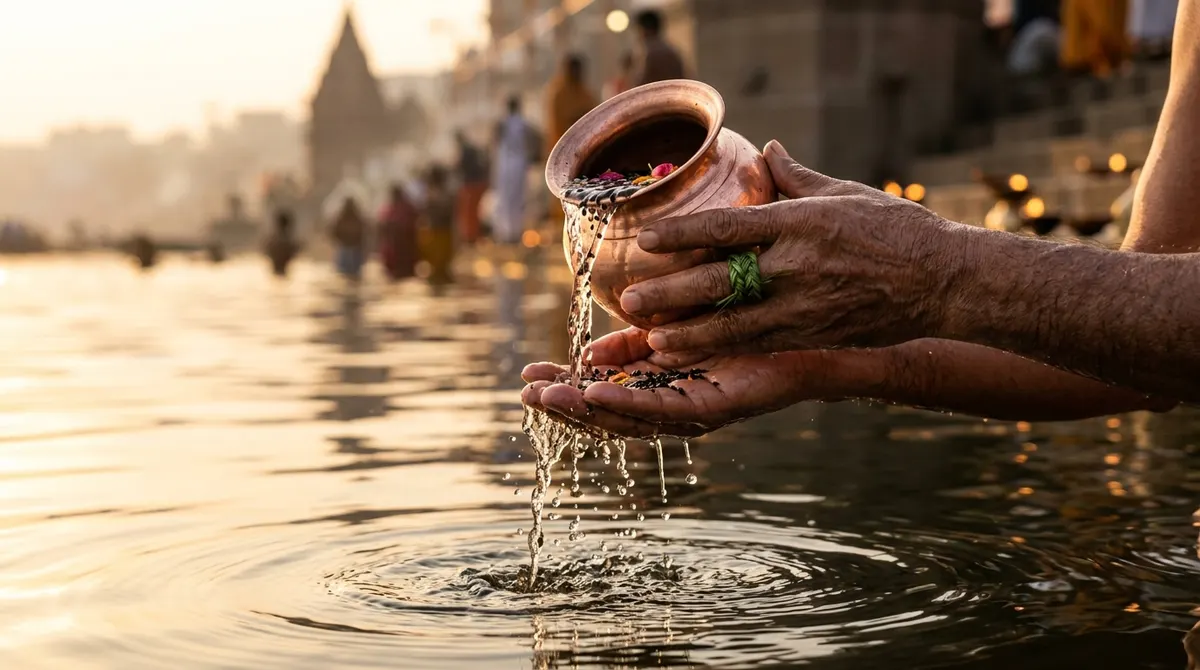
- Tarpan: Offering water mixed with sesame to ancestors as part of the ritual.
- Prayers and Aarti: Concluding with prayers for ancestral peace and family wellbeing.
- Prasad Distribution: Sharing sanctified prasad with family members.
Mantras and Their Significance
Chanting of appropriate mantras is an integral part of Gaya Pind Daan. The pandit recites Vedic and Puranic verses that invoke the ancestors and request their peace. Common elements include Tarpan mantras, Pitru Suktas, and specific verses for Pind Daan. A well-known aspect is the respectful address to Pitras, asking them to accept the offerings made with devotion.
Correct pronunciation and proper timing of these mantras are important. Since this is a sensitive ritual, families are advised to rely on an experienced pandit rather than attempting to recite complex verses without training. The focus should remain on sincerity and devotion throughout the ceremony.
Important Considerations and Respect
Gaya Pind Daan is a solemn Shradh ritual, not a festive occasion. Maintaining decorum, speaking softly, and focusing on the purpose of the ceremony is traditionally expected. Family members should avoid distractions and participate with reverence. Regional customs may add specific local practices, which the pandit will explain as needed.
It is also important to approach this ritual with humility. The tradition emphasizes gratitude to ancestors and the continuity of family values. No exaggerated claims are made here about specific outcomes — the ritual is performed as a sacred duty in traditional belief, with faith and devotion as its foundation.
Why an Experienced Pandit Matters
Performing Pind Daan at Gaya Ji involves specific procedures, locations, and mantras that vary by tradition. An experienced pandit ensures the ritual is performed correctly according to your family lineage and customs. They guide the entire process — from sankalp to final offerings — explain the meaning of each step, and help arrange samagri appropriately.
Divyanushthan connects families with verified Vedic pandits who specialize in Shradh rituals, including Gaya Pind Daan. Our pandits can guide the family through preparation, explain the significance in simple terms, and ensure the ceremony is conducted with proper respect and accuracy. With their guidance, families can focus on the spiritual essence of the ritual while fulfilling this important ancestral duty with confidence and peace of mind.
Want this ritual done the authentic way?
Book Pind Daan at Gaya JiFrequently Asked Questions
What is the difference between Shradh and Pind Daan?
Shradh is the broader ritual of honoring ancestors, while Pind Daan is a specific part of Shradh involving the offering of rice balls (pinds) to departed souls. Gaya Pind Daan is performing this offering at the sacred site of Gaya Ji.
Can Gaya Pind Daan be performed only during Pitru Paksha?
Pitru Paksha is the most traditional time for Shradh rituals, including Gaya Pind Daan. However, some families perform it on other auspicious days as advised by their pandit, based on family tradition and circumstances.
Who should perform Gaya Pind Daan?
Usually the eldest son or a male descendant performs Pind Daan, as per traditional North Indian practice. However, family customs vary by region, and in modern practice, other family members may participate under pandit guidance as per their tradition.
Is it necessary to go to Gaya Ji for Pind Daan?
While Gaya Ji is considered the most auspicious location, Pind Daan can be performed elsewhere following the same vidhi. The spiritual significance of Gaya is emphasized in scriptures, but sincere performance with devotion is what matters most in traditional belief.
How long does Gaya Pind Daan take?
The duration typically ranges from 1-3 hours, depending on the procedure followed, number of ancestors being offered for, and the pace of chanting. Your pandit can give a more accurate estimate based on your specific requirements.
Related guides
 ShradhPitru Dosh Nivaran: Signs, Meaning & Traditional RemediesA calm, practical guide to pitru dosh nivaran — its meaning in Hindu tradition, commonly described signs, and traditional remedies including shradh, tarpan and pind daan.8 min read
 ShradhNarayan Bali vs Tripindi Shradh: Key DifferencesA clear comparison of narayan bali vs tripindi shradh — the purpose of each rite, when it is traditionally advised, where it is done, how long it takes and who attends.7 min readShradhShradh Samagri List: Complete Guide for FamiliesA complete shradh samagri list for families — core offering items, what the purohit brings, what you arrange at home, pind daan additions and Brahmin Bhojan planning.8 min read