Griha Pravesh Samagri List: Full Checklist
In this guide
- 1. How to use this griha pravesh samagri list
- 2. Kalash and main deity items
- 3. Flowers, fruits, and prasad items
- 4. Havan and fire ritual materials
- 5. Kitchen and first cooking items
- 6. Clothes, seating, and home setup items
- 7. Shopping, packing, and quantity tips
- 8. Why an experienced pandit matters for samagri
How to use this griha pravesh samagri list
This griha pravesh samagri list is a practical checklist of sacred worship materials needed for a complete new home ceremony as commonly followed in North India. Samagri means the collection of items used in worship, from the kalash pot to flowers, grains, ghee, and havan wood. Use this list to shop once, pack in trays the night before, and avoid last minute trips to the market on the morning of the pooja. Tick items off as you pack so nothing important is missed.
Every family tradition differs slightly, so treat this as a complete base list and confirm final details with your pandit. Some pandits add specific leaves, powders, or extra grains based on their Vedic school, while apartment families may need a smaller havan set for limited space. Regional variation is normal, and families in South or West India may use banana stems, different rice preparations, or additional coconut offerings. The goal is a calm ceremony where the pandit has everything within reach and the family can focus on prayer rather than searching for missing items.
Want this ritual done the authentic way?
Book a Pandit for Griha PraveshKalash and main deity items
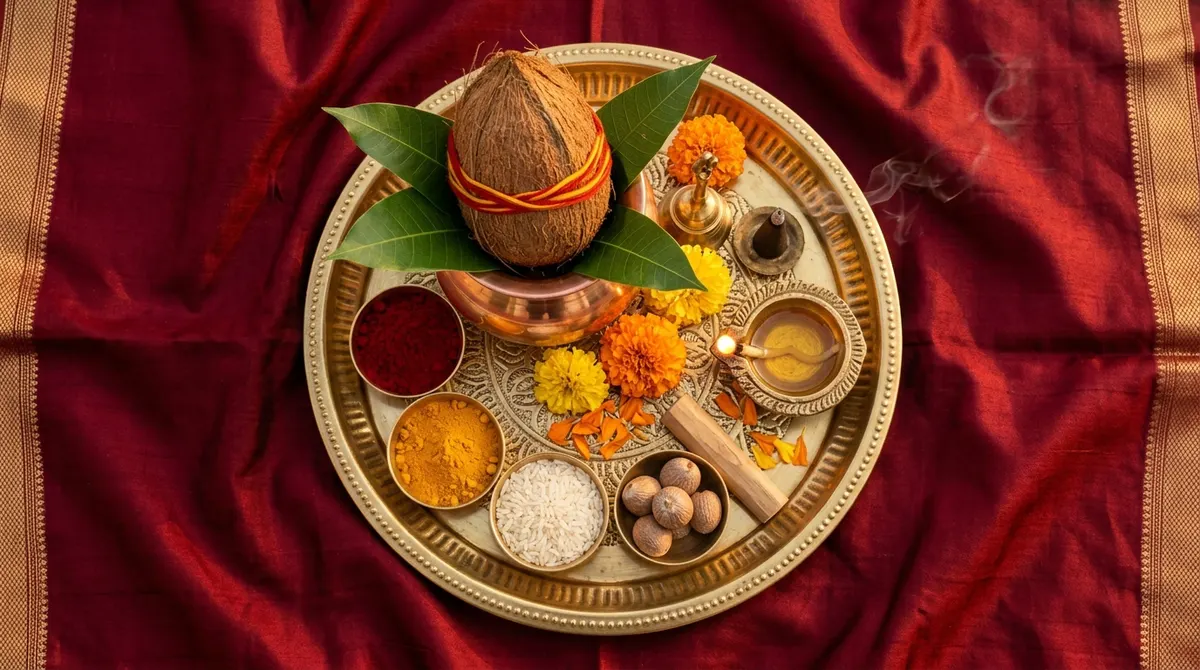
The kalash, the sacred water vessel, is the centre of the new home pooja. You will need one medium brass, copper, or steel lota, small round pot, filled with clean water, plus mango or betel leaves to place around its mouth, one whole coconut with husk or with a small tuft, coins, a little rice, turmeric, and a red cloth or sacred thread to tie around the pot. Keep a low wooden chowki, small platform, with a clean red or yellow cloth for placing the kalash, along with framed or small metal idols of Lord Ganesh and Goddess Lakshmi if your family worships them.
For the main worship seat, arrange sandalwood paste, kumkum, red vermilion powder, turmeric powder, rice grains mixed with turmeric for akshat, sacred unbroken rice, sacred thread called mauli, betel nuts known as supari, betel leaves, coins, camphor, incense sticks, cotton wicks, sesame oil or ghee for lamps, and two brass diyas, small oil lamps. Add honey, sugar, ghee, curd, and milk in small bowls for panchamrit, the traditional five item sacred mixture. Keep Gangajal, water from the Ganga regarded as purifying, in a small bottle for sprinkling if available, or clean water with tulsi leaves as a simple alternative.
- Brass or steel kalash pot, coconut, mango leaves, coins, red cloth
- Ganesh and Lakshmi idols, chowki platform, clean red cloth
- Sandal paste, kumkum, turmeric, akshat rice, mauli thread
- Panchamrit bowls: milk, curd, ghee, honey, sugar
- Diyas, oil, cotton wicks, camphor, incense sticks, matchbox
- Gangajal or clean water, supari, betel leaves, flowers
Flowers, fruits, and prasad items
Fresh flowers bring beauty and focus to the pooja space. Keep two large bags of mixed marigold and rose flowers, one garland for the main idol, loose petals for offerings during chanting, mango leaves for the toran, traditional door hanging, bel leaves if your tradition uses them, tulsi leaves for Vishnu related worship, and durva grass, a sacred three bladed grass offered especially to Lord Ganesh. Wash the flowers gently in the morning and keep them in a wide basket lined with a damp cloth so they stay fresh through the ceremony.
For fruits and food offerings, keep five types of seasonal fruits such as banana, apple, orange, grapes, and coconut, plus dry fruits like almonds, cashews, and raisins for prasad. Keep rice, wheat grains, whole moong, sesame seeds, and jaggery for offerings, along with cooked prasad such as halwa, sweet semolina pudding, or kheer, sweet rice pudding, prepared fresh in the morning. Keep drinking water, steel glasses, plates, spoons, and extra carry bags so prasad can be packed for guests and neighbours after the aarti, the lamp waving ceremony.
- Marigold and rose flowers, one garland, loose petals in basket
- Mango leaves, toran for door, durva grass, tulsi and bel leaves
- Five fruits, dry fruits, coconut for offering and prasad
- Rice, wheat, sesame, jaggery, halwa or kheer for prasad
- Plates, glasses, spoons, and bags for prasad distribution
Havan and fire ritual materials
The havan, the sacred fire offering, needs its own set of materials packed separately so the fire area stays safe and organised. You will need a havan kund, a square metal fire vessel, dry mango wood pieces or small samidha sticks, sacred wood sticks used as fuel, ghee, clarified butter, in a wide bowl with a spoon, havan samagri powder available at pooja shops, black sesame seeds, unbroken rice, barley grains if available, jaggery pieces, camphor, and dried coconut halves. Keep a bucket of water, a metal tray under the kund, and a thick mat beneath to protect the floor.
Safety matters as much as tradition, especially in flats. Place the havan kund near a window or balcony where smoke can escape, keep children at a safe distance, tie back loose clothing and long hair, and keep a wet cloth nearby. Offer only small spoonfuls of ghee and grains at a time as the pandit chants Svaha, meaning offered into the fire. Apartment families can ask the pandit for a short havan with fewer offerings, which keeps the ritual complete while reducing smoke. Confirm with your housing society in advance if there are rules about fire, smoke alarms, or balcony use.
- Havan kund, dry mango wood, samidha sticks, camphor, matchbox
- Ghee bowl with spoon, havan samagri powder, sesame, rice, barley
- Metal tray, floor mat, bucket of water, wet cloth for safety
- Small fan or hand fan to manage gentle airflow near window
Kitchen and first cooking items
The kitchen has a special role on griha pravesh day because cooking marks the start of daily life in the new home. Keep a new steel or brass vessel for boiling milk, full cream milk in sufficient quantity, sugar, rice, and ghee for kheer if your family prepares it. Many families also keep a new gas lighter, a small stove setup tested in advance, salt, wheat flour, and cooking oil to show the kitchen is ready for use. Wash the stove platform, fix any loose knobs, and keep a cloth ready to wipe overflow after the milk rises.
Tradition regards the boiling and overflowing of milk as a sign of abundance and growth, so plan this moment after the main pooja when everyone can gather in the kitchen. The lady of the house or the couple usually lights the stove together while the pandit chants a short blessing. Offer a spoonful of the boiled milk to the deities first, then share the rest as prasad. If you live in a home with an electric induction plate, test it beforehand and keep a suitable vessel ready, since heavy brass pots may not suit every cooktop.
Clothes, seating, and home setup items
Comfort items are often forgotten in samagri lists but they decide how peacefully the family can sit through two to four hours of chanting. Keep clean traditional clothes for all family members, fresh towels, mats or low chairs for elders, a white sheet to cover the pooja floor, and cushions for children. Keep rangoli powder or flower petals for the entrance design, toran for the door, stickers or paint for the swastik symbol, and a nameplate if you plan to install one after the pooja.
Home readiness also matters. Complete drilling, painting, and deep cleaning before the pooja day so dust does not settle on the prasad or flowers. Keep bathrooms clean for guests, stock drinking water and tea, arrange shoe racks outside the pooja room, and keep pets in a calm separate area. Assign one shelf near the entrance for gift bags, dakshina covers, traditional offering envelopes for the pandit, and return gifts. A tidy home helps photos look beautiful and keeps the focus on prayer rather than clutter.
- Clean clothes, towels, mats, low chairs, white sheet, cushions
- Rangoli, toran, swastik sticker, nameplate, entrance decor
- Tea, water, shoe rack setup, pet care, gift and dakshina corner
Shopping, packing, and quantity tips
Shop smart to save time and money. Buy pooja powders, ghee, oils, incense, camphor, wicks, and grains two days early from a trusted pooja store, and buy flowers, fruits, milk, and curd fresh on the morning or evening before. Standard home quantities are usually enough, such as one kilogram rice, half kilogram wheat, two hundred grams sesame, one small bottle of honey, one pack of ghee, one bundle of mango wood, and two bags of flowers for a medium gathering. Your pandit may adjust these based on the length of havan and the number of guests.
Pack in four labelled trays or bags the night before, one for kalash and deity items, one for flowers and leaves, one for havan materials, and one for kitchen and prasad. Keep liquids upright, tie powder packets with rubber bands, and keep matchboxes in two places so one is always dry. Keep bills and extra change handy for any last minute coconut or flower purchase. If you are short on time, ask your pandit or booking platform for a ready samagri kit option so heavy items arrive packed and you only buy fresh milk, fruits, and flowers locally.
Why an experienced pandit matters for samagri
An experienced pandit saves the family from both shortage and waste. He or she knows which items are essential, which are optional regional additions, and which can be substituted without breaking tradition. For example, if bel leaves or a specific grain is unavailable in your city, the pandit can suggest a correct alternative and adjust the verse accordingly. The pandit also guides the family on setup, seating direction, fire safety, and the order in which items are offered, which keeps the ceremony smooth and meaningful.
Divyanushthan pandits can guide the family before the pooja day with a simple checklist call, explain what to buy fresh and what to keep ready, and help arrange samagri so the morning stays relaxed. Families can ask about havan size for flats, duration of the ceremony, and what guests should bring or avoid. No special powers or guaranteed outcomes are claimed here, since tradition describes benefits like peace, harmony, and auspicious beginnings as matters of faith. With clear guidance and complete samagri in place, the family can enter the new home with confidence, devotion, and joy.
Want this ritual done the authentic way?
Book a Pandit for Griha PraveshFrequently Asked Questions
What is the most important item in griha pravesh samagri?
The kalash with water, mango leaves, coconut, and coins is central, along with Ganesh worship items, havan materials, and milk for the kitchen ritual. If you are short on time, confirm these core items with your pandit first, then add flowers, fruits, and decor as available.
How much ghee and havan samagri should we buy?
For a standard home havan, families commonly keep one small bottle of ghee, one pack of havan samagri powder, sesame seeds, rice, and dry wood. The exact quantity depends on havan length and pandit tradition, so confirm during the advance call, especially for apartments where a short havan is planned.
Can we use a ready made samagri kit from a shop?
Yes, ready kits are convenient for powders, grains, threads, and havan mix. Buy flowers, fruits, milk, curd, and mango leaves fresh separately. Check the kit contents against this list and ask your pandit about any missing regional items.
What should apartment families reduce or adapt?
Use a small havan kund, less wood and ghee, and keep ventilation open. Focus on kalash sthapana, sankalp, Ganesh and Vastu pooja, short havan, aarti, and milk boiling. Inform your society about brief smoke and keep a water bucket and mat ready.
What do we do with leftover samagri after the pooja?
Distribute prasad the same day, store unopened grains and ghee for daily use, and immerse ash and used flowers respectfully in a garden or as your pandit advises. Avoid wasting food, and share extra fruits and prasad with neighbours, staff, and guests.
Related guides
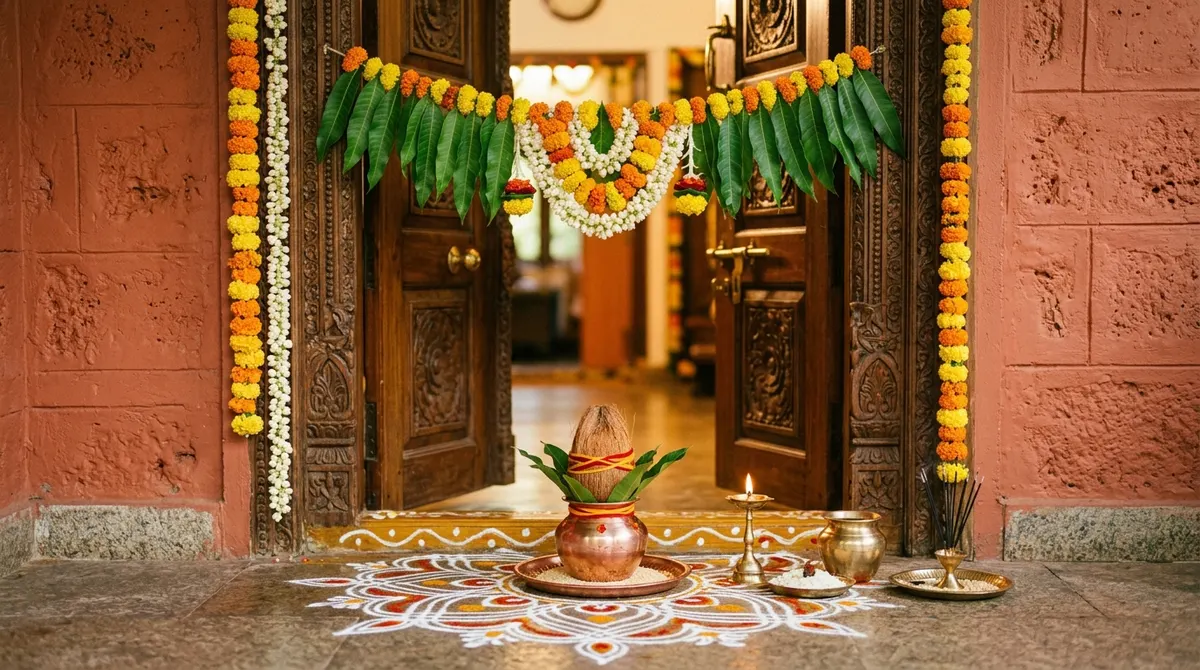 RitualsGriha Pravesh Pooja Vidhi: Steps for New HomeA clear step by step guide to griha pravesh pooja vidhi for entering a new home with Vedic prayers, havan, and family participation.7 min read
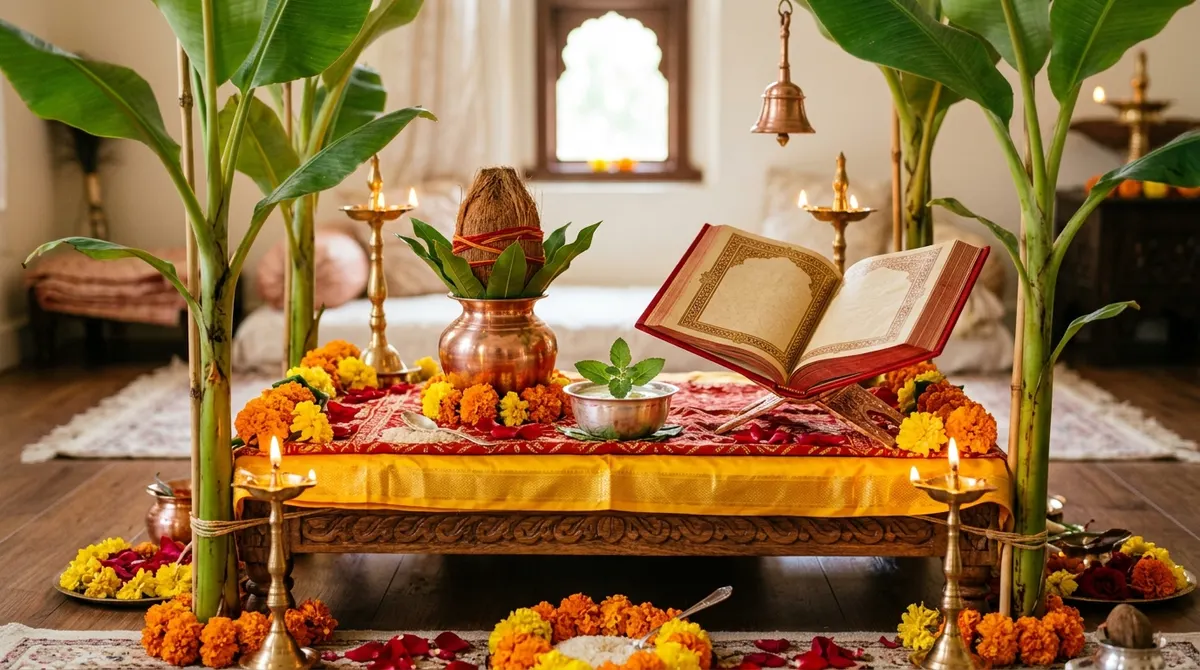 RitualsSatyanarayan Katha Vidhi: Complete GuideA simple guide to satyanarayan katha vidhi with preparation, pooja steps, story meaning, and prasad tips for families.7 min read
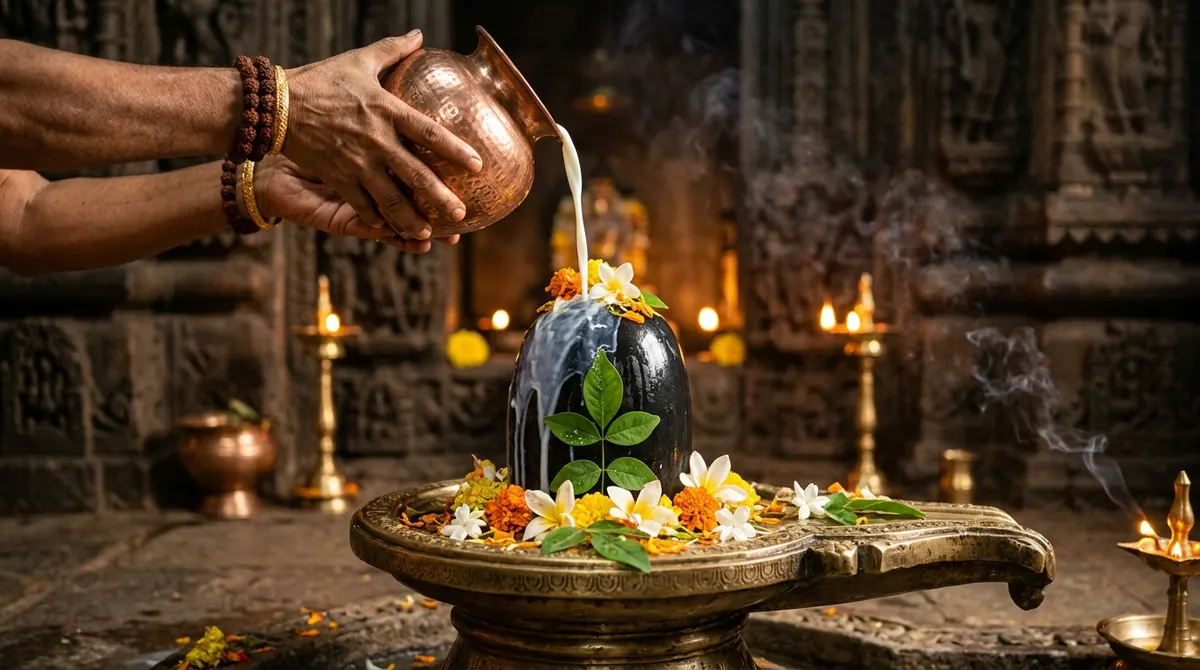 RitualsRudrabhishek Pooja Vidhi and Samagri: Complete GuideA complete, practical guide to rudrabhishek puja vidhi and samagri, explaining each step clearly for home performance with a trained pandit.8 min read