Rudrabhishek Pooja Vidhi and Samagri: Complete Guide
In this guide
- 1. What is Rudrabhishek Puja
- 2. Meaning of Rudrabhishek Puja Vidhi and Samagri
- 3. Preparation Before the Pooja
- 4. Essential Rudrabhishek Samagri List
- 5. Rudrabhishek Puja Vidhi Step by Step
- 6. Mantras for Rudrabhishek: Correct Forms
- 7. Benefits as Traditional Belief
- 8. Practical Tips and Checklist
- 9. Why an Experienced Pandit Matters
What is Rudrabhishek Puja
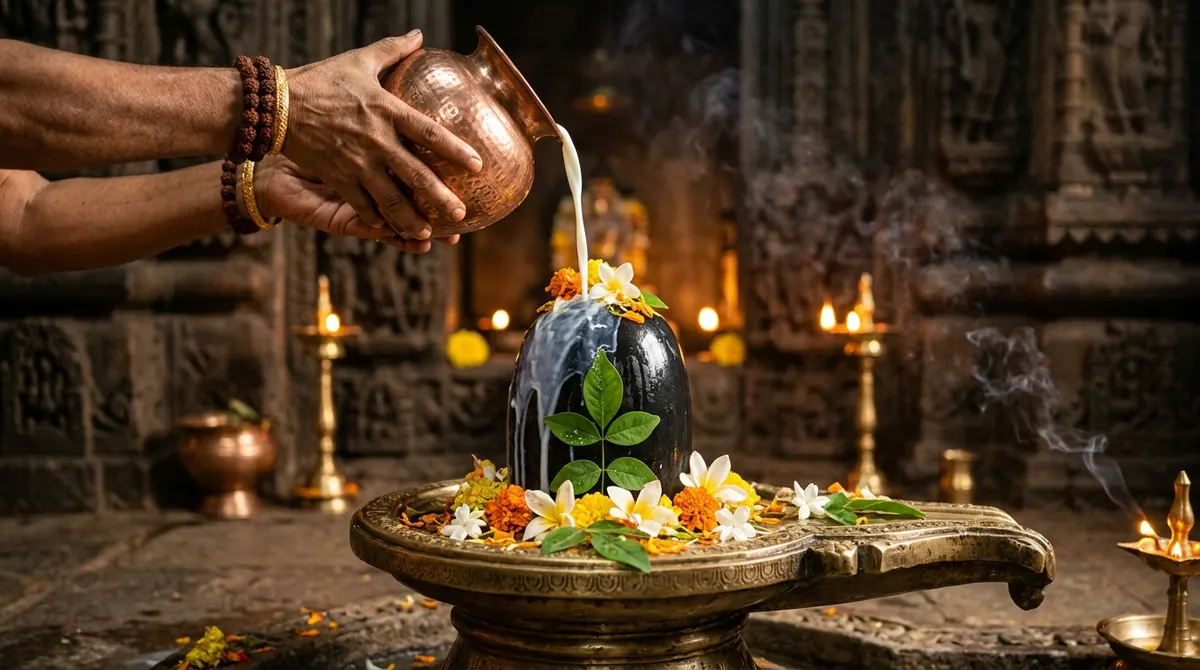
Rudrabhishek is the ritual bathing, known as abhishek, of Lord Shiva with sacred substances while chanting the Rudram from the Yajurveda. The word Rudra refers to Lord Shiva in his fierce yet benevolent form, and abhishek means the act of pouring water or other offerings over the Shiva Linga with devotion. This pooja is traditionally performed to seek inner peace, protection from obstacles, and spiritual growth. It is a deeply symbolic act, as the pouring of water or milk is meant to cool and please Lord Shiva, who is often depicted with the Ganga flowing from his matted hair.
As per mainstream Hindu tradition commonly followed in North India, Rudrabhishek holds special significance on Mondays, during the month of Sawan, and on Mahashivratri. Practices may differ slightly across regions, with some families following the Puranic sequence and others following the Vedic Rudram path. Regardless of regional variation, the core remains the same: sincere devotion, purity of mind and body, and proper chanting under the guidance of an experienced pandit. The benefits described here are traditional beliefs passed down through generations, not guaranteed outcomes.
Want this ritual done the authentic way?
Book Rudrabhishek PujaMeaning of Rudrabhishek Puja Vidhi and Samagri
The term "rudrabhishek puja vidhi and samagri" simply means the step by step procedure and the list of items required for this ritual. Vidhi refers to the correct sequence of actions, from purification and invocation to offerings, aarti, and prasad. Samagri refers to the sacred materials collected before the pooja, such as water, milk, honey, curd, ghee, flowers, bel patra, and other traditional items. Having the right samagri ready helps the ceremony flow smoothly without unnecessary interruptions.
An experienced pandit will adjust the vidhi based on the family tradition, time available, and whether the pooja is being performed at home or in a temple. For home ceremonies, a small Shiva Linga, a clean platform, and a proper space for the havan, if included, are usually sufficient. While elaborate arrangements are possible, even a simple Rudrabhishek performed with devotion and correct mantra chanting is considered meaningful in traditional belief.
Preparation Before the Pooja
Before starting Rudrabhishek, both the space and the participants should be clean. The pooja area should be swept and mopped, and a clean cloth spread over the platform where the Shiva Linga will be placed. Family members are advised to take a bath, wear clean clothes, and maintain a calm, focused atmosphere. It is traditional to avoid non-vegetarian food and keep the space free from distractions during the ceremony.
Arrange all samagri on a separate tray well before the pandit arrives. Keep a kalash filled with clean water, fresh flowers, bel patra, and the offerings in small bowls. If you plan to include havan, keep the havan kund, dry wood sticks, ghee, and camphor ready in a safe spot. Divyanushthan pandits can guide the family on the exact samagri needed based on the type of Rudrabhishek chosen, helping to arrange what is locally available without unnecessary purchases.
Essential Rudrabhishek Samagri List
While the exact list may vary slightly by region and pandit tradition, the following items are commonly used for a home Rudrabhishek. Collect these in advance to keep the vidhi uninterrupted.
- Clean water in a kalash and a separate abhishek vessel (panchpatra or lota)
- Milk, curd, honey, ghee, and sugar (for panchamrit abhishek)
- Gangajal, if available, or clean filtered water
- Fresh bel patra, dhatura flowers, aak flowers, and other seasonal flowers
- Bilva leaves and garlands, as traditionally offered to Lord Shiva
- Chandan paste, kumkum, haldi, and rice for tilak and offerings
- Fruits, sweets, coconut, incense sticks, and camphor for aarti
- Betel leaves, nuts, and prasad items as per family custom
- Havan samagri, dry wood, and ghee if Rudra Havan is included
Rudrabhishek Puja Vidhi Step by Step
The following sequence reflects the core steps commonly followed in North India. Your pandit may adjust the order slightly based on the Vedic path chosen, but this covers the essential elements.
- Purification: Achaman (sipping water) and pranayama to cleanse self; cleaning the pooja space.
- Sankalp: The head of the family states the intention with the pandit, holding water, flowers, and rice.
- Ganesh Pooja: Invocation of Lord Ganesh to remove obstacles before starting Rudrabhishek.
- Kalash Sthapana: Installation of the sacred kalash, invoking divine presence.
- Shiva Linga Abhishek: Pouring water, milk, panchamrit, and other offerings while chanting Rudram.
- Offering of Bel Patra and Flowers: Placing fresh bel patra and flowers with devotion on the Linga.
- Rudra Havan (optional): Offering ghee and grains into the fire with Rudra mantras, if included.
- Aarti and Prasad: Concluding with aarti, shanti mantra, and distribution of prasad.
Mantras for Rudrabhishek: Correct Forms
Chanting is the heart of Rudrabhishek. Only well-known mantras are quoted here. The most central is the Sri Rudram, which appears in the Krishna Yajurveda. A common invocation to begin is:
ॐ नमः शिवाय (Om Namah Shivaya) — a simple yet powerful mantra meaning "I bow to Lord Shiva".
The Rudram begins with: ॐ नमो भगवते रुद्राय (Om Namo Bhagavate Rudraya) — bowing to the auspicious Rudra form of Lord Shiva.
During abhishek, the pandit chants the Namakam and Chamakam portions as per tradition. Proper pronunciation, stress, and continuity matter greatly in Vedic chanting. This is why an experienced pandit is preferred, as he guides the rhythm and ensures correct syllables. Family members may join in chanting the shorter mantras or simply listen with folded hands.
Benefits as Traditional Belief
In mainstream Hindu belief, performing Rudrabhishek with devotion is said to bring mental peace, remove negative influences, and strengthen inner resilience. Many families perform it for the wellbeing of all members, for harmony at home, and as an act of gratitude to Lord Shiva. Some also observe it as a way to seek forgiveness and spiritual cleansing. These are traditional beliefs, not medical claims or guarantees of specific outcomes. Regional variation exists in how prominently certain benefits are emphasized, but the focus remains on devotion and prayer.
Practical Tips and Checklist
To make your Rudrabhishek smooth and meaningful, keep these practical points in mind. Timing can be chosen as per family convenience and traditional preference, often Mondays or during auspicious periods. Always ensure safety if using fire for havan, and keep children away from hot vessels. Avoid exaggerated claims about results and focus on the devotional aspect of the ritual.
- Confirm date, time, and location with the pandit at least 2-3 days in advance
- Collect all samagri in labelled bowls the night before
- Keep clean water, towels, and extra cloths handy for spills
- Ensure proper ventilation if performing havan indoors in an apartment
- Assign a coordinator to assist the pandit and manage guests
- Have prasad ready for distribution after the pooja
Why an Experienced Pandit Matters
Rudrabhishek involves precise steps and Vedic chanting that requires training. An experienced pandit knows the correct vidhi, selects appropriate mantras, and explains each step in simple terms for the family. They ensure the abhishek is performed with proper sequence, guide the sankalp meaningfully, and help with samagri arrangement. Divyanushthan pandits are verified and trained in Vedic traditions; they can guide the family throughout the ceremony, answer questions, and help arrange samagri locally. Choosing a knowledgeable pandit allows the family to participate fully and experience the ritual as it is traditionally meant to be, without confusion or haste.
Want this ritual done the authentic way?
Book Rudrabhishek PujaFrequently Asked Questions
What is the best time to perform Rudrabhishek at home?
Mondays are traditionally considered auspicious for Lord Shiva. Many families also perform Rudrabhishek during Sawan month or on Mahashivratri. However, a pandit can suggest a suitable time based on your family tradition and availability.
Can Rudrabhishek be performed without havan?
Yes. Rudrabhishek can be performed with just abhishek, offerings, and aarti. Havan is an optional addition; your pandit can include it based on time, space, and family preference.
How many times should Rudram be chanted?
The count depends on the type of Rudrabhishek chosen. Common forms include chanting the full Rudram once, or multiple times. An experienced pandit will advise the appropriate count based on tradition and time available.
Is it necessary to use all five items for panchamrit abhishek?
Panchamrit traditionally includes milk, curd, honey, ghee, and sugar. While ideally all five are used, some families adapt based on availability. The pandit can guide on acceptable substitutes as per family custom.
Can women perform Rudrabhishek?
Yes. In mainstream Hindu tradition, women can perform Rudrabhishek with devotion, either alongside family or as part of the ceremony. Practices may vary by region, but inclusion is common in modern home ceremonies.
Related guides
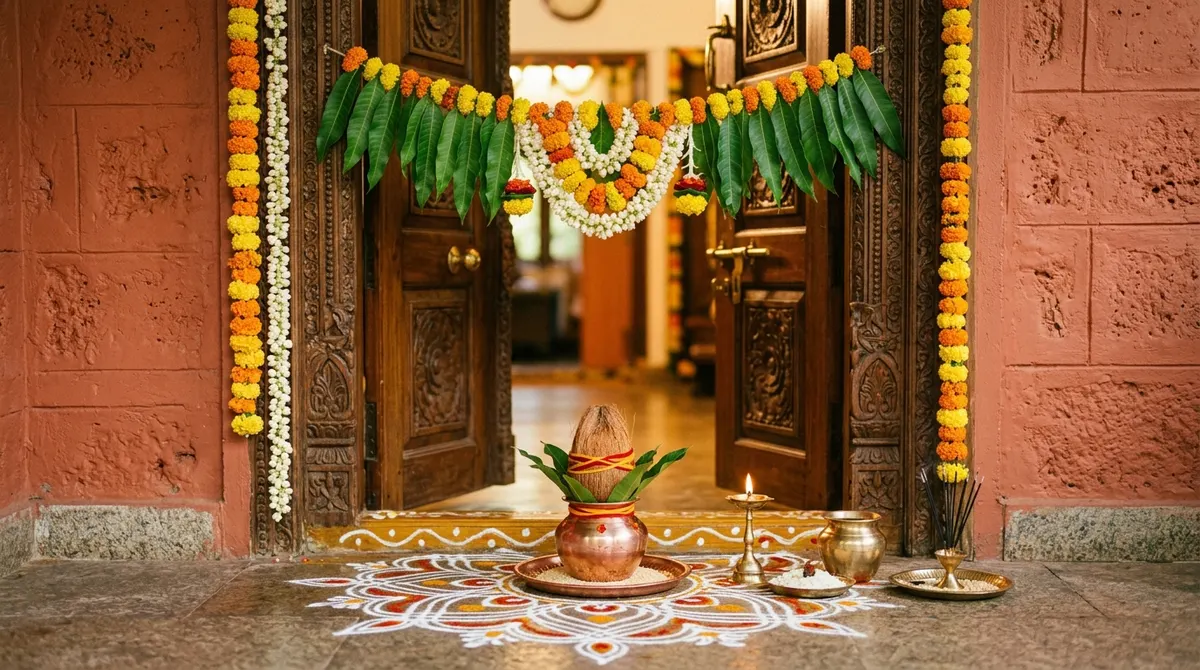 RitualsGriha Pravesh Pooja Vidhi: Steps for New HomeA clear step by step guide to griha pravesh pooja vidhi for entering a new home with Vedic prayers, havan, and family participation.7 min read
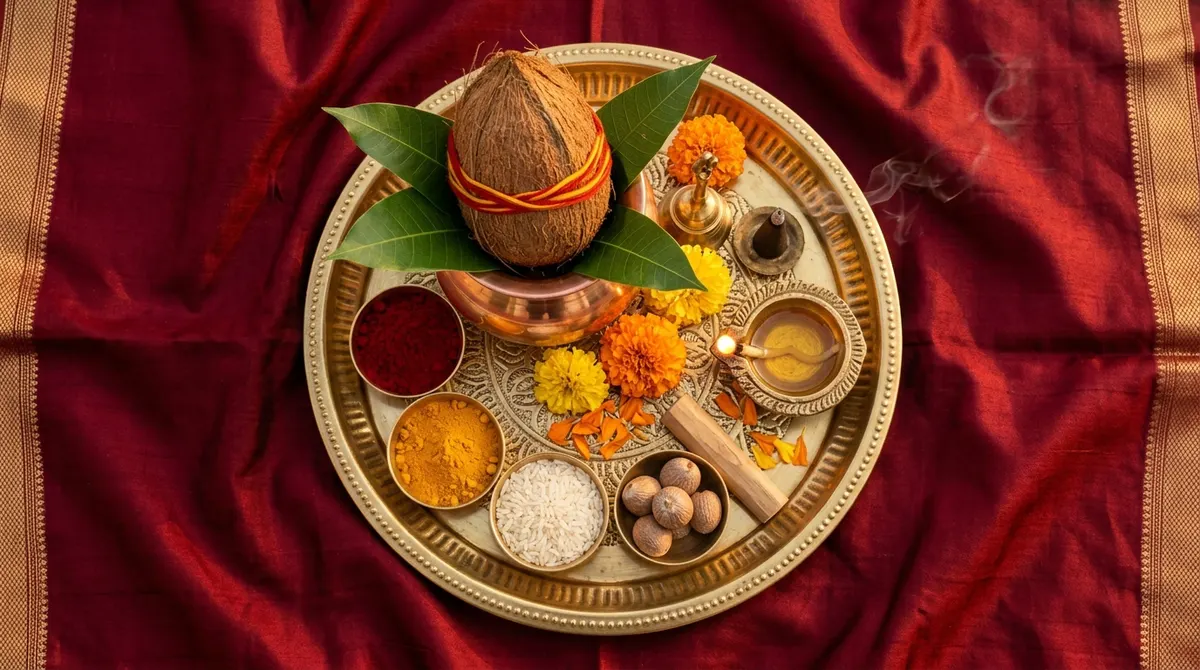 RitualsGriha Pravesh Samagri List: Full ChecklistA practical griha pravesh samagri list with everything for kalash, pooja, havan, and kitchen customs, plus packing and shopping tips.7 min read
 RitualsSatyanarayan Katha Vidhi: Complete GuideA simple guide to satyanarayan katha vidhi with preparation, pooja steps, story meaning, and prasad tips for families.7 min read