How to Book Pandit Online Safely: Full Guide
In this guide
- 1. How to book pandit online without worry
- 2. Start with the right pooja and the right date
- 3. Verification checklist for the pandit
- 4. Get dakshina and samagri terms in writing
- 5. Language, duration and ritual custom
- 6. Punctuality, reviews and written confirmation
- 7. Safety and etiquette on the day
- 8. Why an experienced pandit matters
How to book pandit online without worry
Learning how to book pandit online safely saves families from last minute stress, unclear charges and rushed rituals. Online booking means you choose a pooja, share your city, date, language and purpose on a website or app, and a verified pandit or Vedic priest is assigned for your home or for an online guided ceremony. Done well, the experience feels like asking a trusted elder for help: the steps are clear, the samagri or worship materials list arrives in advance, and the pandit reaches on time and guides everyone gently.
This guide gives you a simple safety checklist used by careful households across North India: verification of the pandit, clear dakshina or traditional offering and samagri terms in writing, language match, punctuality promise, genuine reviews and a written confirmation with contact details. Whether you need a Satyanarayan Katha, Griha Pravesh, Rudrabhishek or Shradh ritual, the same checks apply. Regional customs vary, so a good service will ask about your family tradition, language and city before assigning a pandit, rather than sending the same plan to every home.
Want this ritual done the authentic way?
Book a Verified PanditStart with the right pooja and the right date
Before you open any booking page, fix three basics: which pooja you need, why you are performing it, and who will attend. A Griha Pravesh or housewarming has different steps from a Satyanarayan Katha or a Rudrabhishek, and the duration, samagri and number of priests can change accordingly. Note the occasion, preferred date and time window, home address with parking and lift details, and whether elders or small children need special seating or shorter sittings.
Keep one or two alternate dates ready, especially around festivals, Shravan month, Navratri and wedding season when pandits stay heavily booked. If you are unsure which ritual fits your need, describe your situation in plain words while booking, such as new home, new business, birthday, anniversary or wish for peace, and let the service or pandit suggest the suitable pooja. A trustworthy platform will explain options without pressure and will connect you to a knowledgeable pandit for a short pre-pooja call. For ceremony details you can also read our guides on griha-pravesh-pooja-vidhi-steps and satyanarayan-katha-vidhi as further reading.
Verification checklist for the pandit
Verification is the heart of safe online booking. A reliable platform should tell you how pandits are selected, such as Vedic training, years of experience, languages spoken, cities served and identity checks, without revealing private personal data. Look for a clear profile or description: which poojas the pandit performs, which traditions he follows, and whether he can explain rituals in Hindi, English or your regional language. Vague promises without any process details are a warning sign.
Before confirming, ask for the pandit name or ID, spoken languages, expected arrival time and a contact number for the day. Confirm whether one pandit or a team is coming, what each person will do, and what happens if the assigned pandit falls unwell. A professional service will have a backup plan and will inform you in advance rather than going silent. Keep all promises in chat, email or SMS so both sides remember the same details.
- Ask how pandits are verified: training, experience, languages, identity
- Confirm pandit assignment, languages, arrival time and day contact
- Check if one pandit or a team is coming and what each will handle
- Ask about backup support if the pandit cannot reach on the day
Get dakshina and samagri terms in writing
Money confusion spoils many otherwise beautiful poojas, so get dakshina and samagri terms in writing before you pay anything. Dakshina means the respectful offering given to the pandit for his knowledge and time, and it should be stated clearly along with what is included and what is extra. Ask whether travel, extra priests, extended chanting or special items cost more, and how additional hours are handled if guests arrive late. Clear written terms protect both the family and the pandit.
Samagri duty should also be written down: who buys what, who brings the katha book or special vessels, and by when the list will be shared. In common practice the family arranges most household and perishable items while the pandit brings or advises on special ritual items. Ask for the samagri list at least two to three days in advance with approximate quantities, so you can shop once without repeat trips. If the service offers samagri help, confirm what help means: a shopping list, a packed kit, or on-the-spot guidance.
- Written quote showing dakshina, travel, extra priest and extra time terms
- Written samagri split: family arranges what, pandit brings what
- Samagri list shared two to three days early with quantities
- Receipt or booking ID for every advance payment made online
Language, duration and ritual custom
Language shapes how much the family gains from the pooja. If elders follow Hindi, grandparents follow Marathi or Gujarati, and children follow English, tell the service in advance and ask how the pandit will explain. Many experienced pandits chant core verses in Sanskrit and explain the meaning in simple Hindi or the local language, pausing between chapters so everyone can follow. Confirm this style before booking rather than assuming it on the day.
Also confirm duration, start and end time, breaks for elders, and whether photos are allowed during chanting. Share your family custom, such as whether you follow a particular katha book, whether onion and garlic are avoided on the day, and whether prasad must be sattvik or fruit only for some members. A caring pandit will respect these details and adjust the pace without cutting essential steps. When the plan matches your custom, children stay engaged and elders feel comfortable throughout.
Punctuality, reviews and written confirmation
Punctuality is a form of respect in ritual work, since sankalp or formal intention, muhurat or suitable time, and guest meals all depend on it. While booking, ask for the pandit arrival time, setup time and the time the main ritual will start. On the day, keep the altar, seating, water and samagri ready before arrival, and share a live location pin plus parking instructions. If the pandit is delayed by traffic, a professional service will inform you promptly and adjust without rushing the chanting.
Reviews help, but read them like a detective. Look for specific mentions of on-time arrival, clear explanation, patience with elders, complete samagri guidance and clean wrap-up, rather than only star counts. Treat overly glowing or overly angry single reviews with caution and look for a consistent pattern. Finally, insist on written confirmation with booking ID, date, time, address, pooja name, dakshina terms, cancellation terms and a helpline number. A well-known opening chant you may hear when the pooja begins is Om Gam Ganapataye Namah, written as ॐ गं गणपतये नमः, meaning salutation to Lord Ganapati, the remover of obstacles.
- Arrival time, setup time and ritual start time confirmed in writing
- Address pin, parking, lift and contact person shared before the day
- Specific reviews about punctuality, explanation and completeness
- Booking ID with date, pooja, charges, cancellation and helpline details
Safety and etiquette on the day
On the day, small habits keep everyone safe and comfortable. Keep the entrance and pooja area well lit, mats flat to avoid tripping, lamps away from curtains and children, and matchboxes out of small hands. Offer the pandit clean water, a place to wash, and space to arrange books and vessels before guests gather. Keep cash dakshina in a separate envelope, valuables in a closed room, and pets in another area so the chanting continues without interruption.
Assign one family member as the single point of contact for the pandit so instructions do not come from five directions. Another member can welcome guests, manage prasad packing, and take photos quietly from the side without flash during chanting. Keep phones silent, avoid walking across the altar, and ask children to sit near parents during sankalp. After aarti or waving of lamps, ventilate the room, wipe lamp areas, thank guests personally, and share prasad the same day. Courteous hosting brings out the best in every pandit.
Why an experienced pandit matters
An experienced pandit is the difference between a hurried ritual and a meaningful family memory. Correct sequence, clear pronunciation, steady pace and simple explanation matter because most home poojas blend Sanskrit verses with long stories or detailed offerings. A trained pandit knows how to include elders and children, when to pause for questions, how to handle a missing item gracefully, and how to close with aarti and blessings without rushing. Families consistently report feeling calmer when the pandit guides rather than merely chants.
Divyanushthan pandits can guide the family before the day on which pooja fits the occasion, what to buy, how to arrange the pooja space and how long the ceremony will take, and they help arrange samagri so nothing is missed. They can perform the pooja at home or guide parts of it online where an in person visit is not possible, depending on the service chosen. Tradition describes peace, harmony and clarity as blessings received with faith and good conduct, not as guaranteed outcomes. With verified booking, written terms and kind guidance, the family can pray with full attention and enjoy the prasad and blessings together.
Want this ritual done the authentic way?
Book a Verified PanditFrequently Asked Questions
What should I check before paying for online pandit booking?
Check pandit verification process, written dakshina and samagri terms, language match, arrival time, reviews about punctuality and explanation, and a booking ID with cancellation and helpline details. Avoid services that refuse written confirmation.
Who arranges samagri in online pandit booking?
Usually the family arranges most items from a list shared two to three days early, while the pandit brings or advises on special items. Confirm the exact split in writing and ask whether the service offers list help or a packed kit.
How early should I book a pandit online for festivals?
Book several days early for regular days and much earlier for Shravan, Navratri, wedding season and festival weeks. Keep one or two alternate dates ready and confirm arrival time, duration and backup support in writing.
Can the pooja be done online if the pandit cannot visit?
Many rituals can be guided online with the family offering water, flowers and prasad from home as instructed, depending on the service chosen. Confirm language, duration, samagri and video setup with the pandit before the slot.
What if the assigned pandit is late or cannot come?
A professional service should inform you promptly, send a trained backup where possible, or reschedule without penalty as per written terms. Keep the helpline number and booking ID handy on the day for quick help.
Related guides
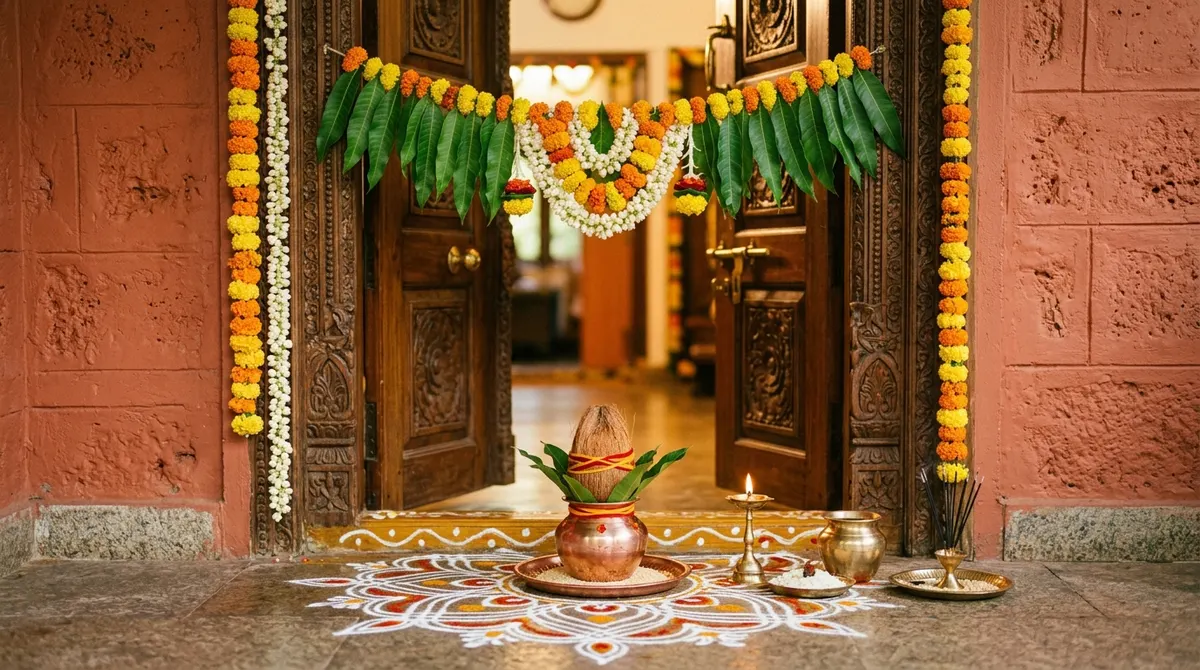 RitualsGriha Pravesh Pooja Vidhi: Steps for New HomeA clear step by step guide to griha pravesh pooja vidhi for entering a new home with Vedic prayers, havan, and family participation.7 min read
 RitualsGriha Pravesh Samagri List: Full ChecklistA practical griha pravesh samagri list with everything for kalash, pooja, havan, and kitchen customs, plus packing and shopping tips.7 min read
 RitualsSatyanarayan Katha Vidhi: Complete GuideA simple guide to satyanarayan katha vidhi with preparation, pooja steps, story meaning, and prasad tips for families.7 min read