When to Do Rudrabhishek: Best Days Explained
In this guide
- 1. When to do rudrabhishek: the short answer
- 2. Mondays and the Shivratri of each month
- 3. Pradosh: the twilight window for Shiva worship
- 4. Shravan month and Maha Shivratri
- 5. Occasions and life events for Rudrabhishek
- 6. Morning or evening, home or temple
- 7. Practical checklist for choosing your day
- 8. Why an experienced pandit matters
When to do rudrabhishek: the short answer
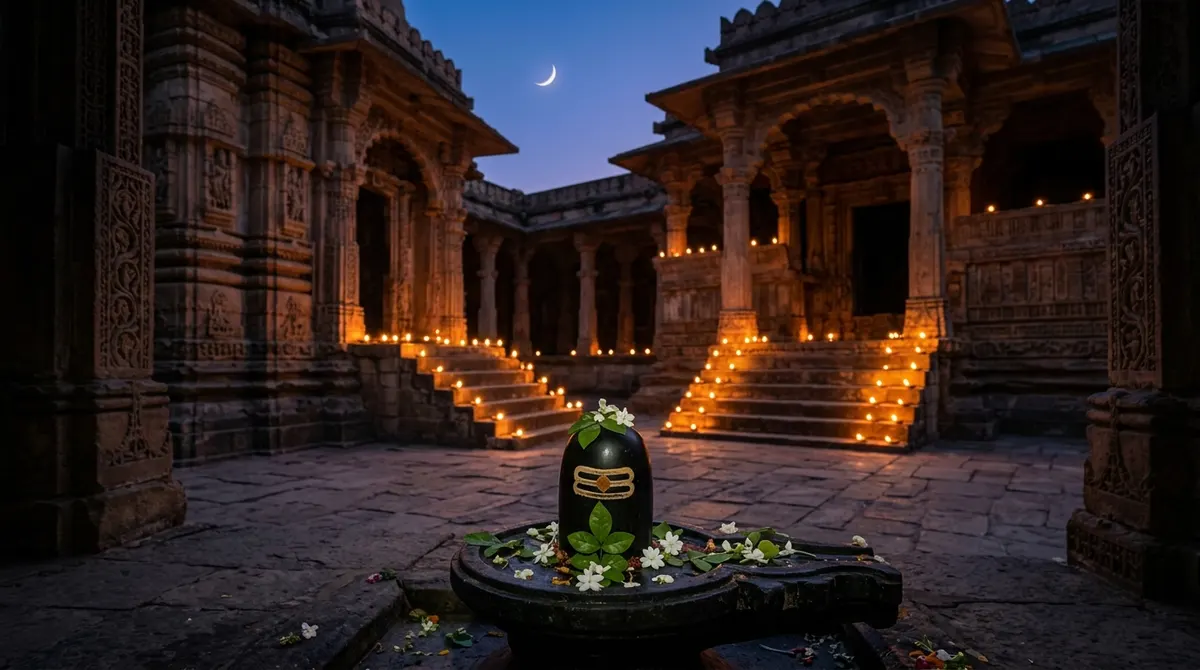
When to do rudrabhishek is one of the most common questions from Shiva devotees, and the short traditional answer is that Mondays, Pradosh days, the month of Shravan, Maha Shivratri and the Shivratri of each month are all considered especially suitable. Rudrabhishek means the ceremonial bathing of the Shivling with water, milk, curd, ghee, honey, sugar, Gangajal and other sacred substances while Vedic verses honouring Rudra, a form of Lord Shiva, are chanted. Abhishek means bathing, so the ritual is literally an offering of love through sacred bath, flowers, belpatra or wood apple leaves, and sincere prayer.
In mainstream North Indian practice, however, Rudrabhishek can be performed on any clean and calm day when the family can sit with devotion, not only on festivals. The special days simply carry extra congregational energy, temple crowds and a festive mood that many families enjoy. Tradition describes benefits such as mental peace, steadiness and family harmony as matters of faith, not as guaranteed outcomes. Choose a day when elders, children and guests can attend without rushing, and let your pandit confirm the suitable time of day. For the full ritual sequence and materials, see our guide on rudrabhishek-pooja-vidhi-samagri as further reading.
Want this ritual done the authentic way?
Book Rudrabhishek PujaMondays and the Shivratri of each month
Monday, known as Somvar, is the weekday traditionally linked with Lord Shiva, so many families choose a Monday for Rudrabhishek as a matter of habit and devotion. Morning worship after bathing is common, with the family offering water, milk, belpatra, white flowers, sandalwood paste and fruits. Some devotees also keep a simple Monday fast of fruits or one vegetarian meal, though this is a personal custom rather than a requirement for the ritual itself.
Along with Mondays, the Shivratri that falls in each lunar month, often called Masik Shivratri, is traditionally regarded as a night of Shiva remembrance and quiet prayer. Families who cannot gather on a festival day often pick this monthly occasion for a smaller home Rudrabhishek with Laghu Rudra or a short Rudra chanting. If Mondays or monthly Shivratri suit your work and school schedules, they are practical and peaceful choices, since temples and homes are less crowded than on major festivals and the pandit can give the family full attention.
Pradosh: the twilight window for Shiva worship
Pradosh refers to the twilight period on the thirteenth lunar day or Trayodashi of each fortnight, and it holds a special place in Shiva tradition. Scriptural stories describe this dusk hour as dear to Lord Shiva and Goddess Parvati, so temples hold special prayers and many families schedule Rudrabhishek in the evening of Pradosh. When Pradosh falls on a Monday it is traditionally called Som Pradosh and is regarded with extra devotion, while Pradosh on Saturday is known in common speech as Shani Pradosh.
A Pradosh Rudrabhishek at home usually begins in the late afternoon so that the main abhishek and aarti or waving of lamps conclude around dusk. Keep lamps, incense and flowers ready, since the twilight aarti is the emotional high point of the evening. If elders find evening travel difficult, a morning Rudrabhishek on the same Trayodashi day is also acceptable in common practice. Ask your pandit whether he recommends the evening slot or a morning slot based on your family needs, since practical comfort matters as much as the calendar.
Shravan month and Maha Shivratri
The lunar month of Shravan, falling in the monsoon season, is the most popular season for Shiva worship across North India. Kanwariyas carry Ganga water to Shiva temples, temples chant Rudra verses through the month, and many families book Rudrabhishek on a Shravan Monday for collective devotion. Home ceremonies in Shravan feel festive, with extra flowers, longer chanting and prasad for neighbours. Because pandits are heavily booked in this season, confirm your date, time and samagri or worship materials well in advance.
Maha Shivratri, the great night of Shiva in late winter, is the most famous annual occasion for night-long worship, fasting, and Rudrabhishek in four watches or prahars of the night. Families may attend temple worship at night and arrange a shorter home Rudrabhishek in the morning or evening for elders and children. A well-known chant heard throughout is Om Namah Shivaya, written as ॐ नमः शिवाय, meaning salutation to Shiva, the auspicious one. Whether you choose Shravan or Maha Shivratri, view the day as an opportunity for prayer, charity and calm reflection rather than a deadline that must be met at any cost.
Occasions and life events for Rudrabhishek
Beyond calendar days, families arrange Rudrabhishek for personal occasions such as a new home, birthday, anniversary, recovery from illness, start of a new venture, or simply a wish for peace and clarity. In tradition this is called kamya karma or worship with a heartfelt wish, and the family shares its intention during sankalp, the formal statement of purpose spoken with water, flowers and rice in hand. There is no single compulsory occasion, so the right time is often when the family feels the need to pause, pray together and seek steadiness.
Some families also perform Rudrabhishek once a year as a household custom, much like an annual Satyanarayan Katha, inviting relatives and neighbours for abhishek, bhajans and bhojan or community meal. Others prefer a quiet version with only the immediate family and the pandit, especially when elders prefer less noise. Both styles are valid, and regional customs differ on scale, choice of dravyas or bathing substances, and length of chanting. Tell your pandit the occasion, the number of guests and the time you have, so he can suggest a short, medium or extended version.
Morning or evening, home or temple
Timing within the day is usually flexible, though morning after bathing is the most common choice for home Rudrabhishek because the house is quiet and fresh items are ready. Brahma muhurta or pre-dawn chanting is praised in texts, but for most households a calm morning slot after sunrise works perfectly well. Evening Pradosh slots suit working families and create a beautiful lamp-lit mood, while Maha Shivratri worship traditionally extends into the night in temples with family support at home.
Home and temple both have their charm. At home the family sits close to the Shivling, children can participate, and elders avoid travel. In a temple the atmosphere, bells and collective chanting add energy, and larger quantities of water and milk can be managed easily. Online or guided participation is also possible where travel is difficult, with the pandit chanting and the family offering water and flowers from home as instructed. Discuss comfort, crowd, space and cleanup with your pandit before deciding, since a peaceful setting matters more than a grand one.
Practical checklist for choosing your day
Choosing the day becomes easy when you work through a short checklist with your pandit. Start with the reason for the ritual, then look at family availability, school and office holidays, elder health, guest travel and the pandit schedule. If a Monday or Pradosh is nearby and everyone is free, that is often the simplest answer. If Shravan or Maha Shivratri is close, book early because those dates fill quickly and samagri shops stay crowded.
Next confirm practical details in writing: date, arrival time, expected duration, language of explanation, number of priests needed, and who arranges samagri. Keep the altar, Shivling or picture, bathing substances, belpatra, flowers, fruits, lamps and prasad ready the night before. Keep dakshina or traditional offering to the pandit in a separate envelope so it is not mixed with offering coins. A clear plan removes last minute calls and lets the family arrive at the pooja with a calm mind.
- Fix the reason, guest list and whether you want a short or long version
- Shortlist a Monday, Pradosh, monthly Shivratri or festival that suits all
- Confirm date, time, duration, language and samagri duty with the pandit
- Prepare altar, bathing items, belpatra, flowers, lamps and prasad early
- Keep dakshina, return gifts, seating and water for elders ready
Why an experienced pandit matters
Rudrabhishek blends precise Vedic chanting with a long sequence of offerings, so an experienced pandit makes a real difference. Correct pronunciation of Rudra verses, correct order of the bathing substances, and a steady pace help the family follow without confusion. A trained pandit knows how to shorten or extend the chanting based on time, when to invite the family to offer belpatra and flowers, and how to explain the meaning in simple Hindi or the local language so children and first time participants feel included.
Divyanushthan pandits can guide the family on when to schedule the ritual, what to buy, how to set up the Shivling and altar, and how long each version takes, and they help arrange samagri so nothing is missed. They can perform Rudrabhishek at home or guide the family online where an in person visit is not possible, depending on the service chosen. No fixed results are promised, since tradition views peace and wellbeing as blessings received with faith and good conduct. With the right day and kind guidance, the family can chant Om Namah Shivaya together and close with aarti and prasad in full satisfaction.
Want this ritual done the authentic way?
Book Rudrabhishek PujaFrequently Asked Questions
Is Monday necessary for Rudrabhishek?
Monday is traditional and popular for Shiva worship, but it is not compulsory. Pradosh, monthly Shivratri, Shravan days, Maha Shivratri or any calm day that suits the family can be chosen with the guidance of your pandit.
What is Pradosh and why is it linked with Rudrabhishek?
Pradosh is the twilight period on the thirteenth lunar day of each fortnight, traditionally dear to Shiva and Parvati. Many families schedule Rudrabhishek in the evening so the abhishek and aarti conclude around dusk.
Can we do Rudrabhishek during Shravan at home?
Yes, Shravan is the most popular season for home and temple Rudrabhishek. Book early, arrange extra flowers and prasad for guests, and confirm the duration with your pandit since schedules stay full.
How long does a home Rudrabhishek take?
A short home Rudrabhishek may take about one to two hours, while extended chanting with all chapters takes longer. Share your available time and guest count with the pandit so he can suggest the right version.
Do we need a specific muhurat for Rudrabhishek?
Families often prefer Mondays, Pradosh evenings or festival days as general guidance rather than a rigid muhurat. Speak with your pandit about a suitable morning or evening slot that keeps elders and children comfortable.
Related guides
 RitualsGriha Pravesh Pooja Vidhi: Steps for New HomeA clear step by step guide to griha pravesh pooja vidhi for entering a new home with Vedic prayers, havan, and family participation.7 min read
 RitualsGriha Pravesh Samagri List: Full ChecklistA practical griha pravesh samagri list with everything for kalash, pooja, havan, and kitchen customs, plus packing and shopping tips.7 min read
 RitualsSatyanarayan Katha Vidhi: Complete GuideA simple guide to satyanarayan katha vidhi with preparation, pooja steps, story meaning, and prasad tips for families.7 min read